
Local search drives intent. People who look for a service near them often want something soon. A strong local SEO strategy gives you visibility at the moment someone is ready to choose. This guide gives you the steps, tools, and examples you need to build dependable visibility in the map pack, stronger organic rankings, and higher trust from local customers.
This is a simple to follow checklist. Follow it step by step by step and you’ll be slaying all your local competitors.
What Local SEO Is
Local SEO improves your visibility when people look for services, shops, or providers near their location. Search engines use proximity, relevance, and trust signals to decide who appears at the top. Your task is to build those signals with consistency and local credibility.
Local SEO supports:
- Businesses with a physical location
- Service providers covering a geographic area
- Brands with multiple branches
- Start ups and small teams working across a limited region
Visibility in the map pack removes friction for customers who want to call, visit, or book.
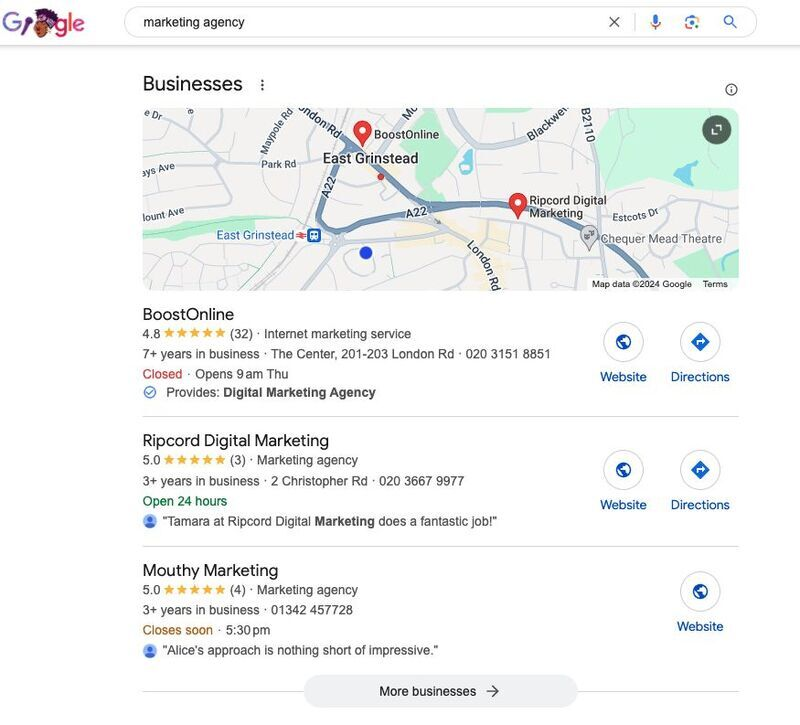
How Google Decides Local Rankings
- Proximity
People receive results based on where they are. You cannot control a user’s position, but you can strengthen your visibility by sending clear signals about your location, service area, and relevance. - Relevance
Google checks how well your business matches the search intent. Content, categories, keywords, and reviews shape these signals. - Prominence
Prominence grows through trust. Reviews, links, citations, photos, and a well-maintained Google Business Profile strengthen authority.
Read our practical guide for small businesses that want to boost local visibility in Sussex.
The Local SEO Strategy Blueprint
Below is a practical set of steps you can follow and repeat. Each action supports stronger visibility.
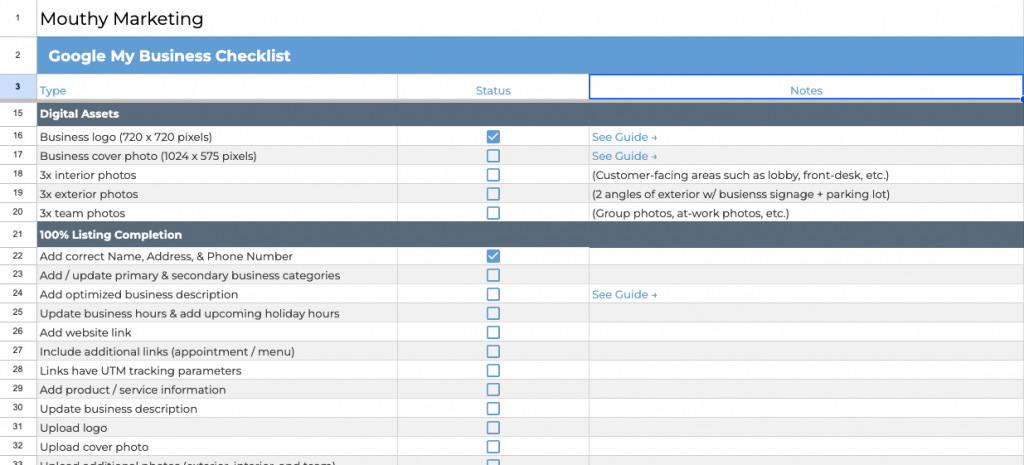
1. Build a Strong Google Business Profile
Your Google Business Profile (GBP) acts as the anchor for your local visibility. It needs careful setup and regular updates.
Essential Actions
- Pick accurate primary and secondary categories
- Add a clear business description with natural local keywords
- Add full opening hours, including bank holidays
- Upload high quality photos showing people, products, locations, and social proof
- Add a geographic service area if you work off site
- Use attributes that apply to you
- Add your website link and booking links
- Keep posts active every week
Photo Strategy
- Exterior shots
- Interior shots
- Team photos
- Work in action
- Product photos
- Before and after examples
- Seasonal updates
2. Nail Your Local Keyword Strategy
How to Build Your List
- Use Google autocomplete
- Look at “People also ask”
- Check competitor GBP profiles
- Search your service with nearby towns
- Use local SEO tools like Ahrefs, Semrush, or Ubersuggest
Include These Keyword Types
- Primary service plus location
- Variants such as near me, nearby, open now
- Neighbourhood terms
- Landmarks and micro locations
- Pain point searches
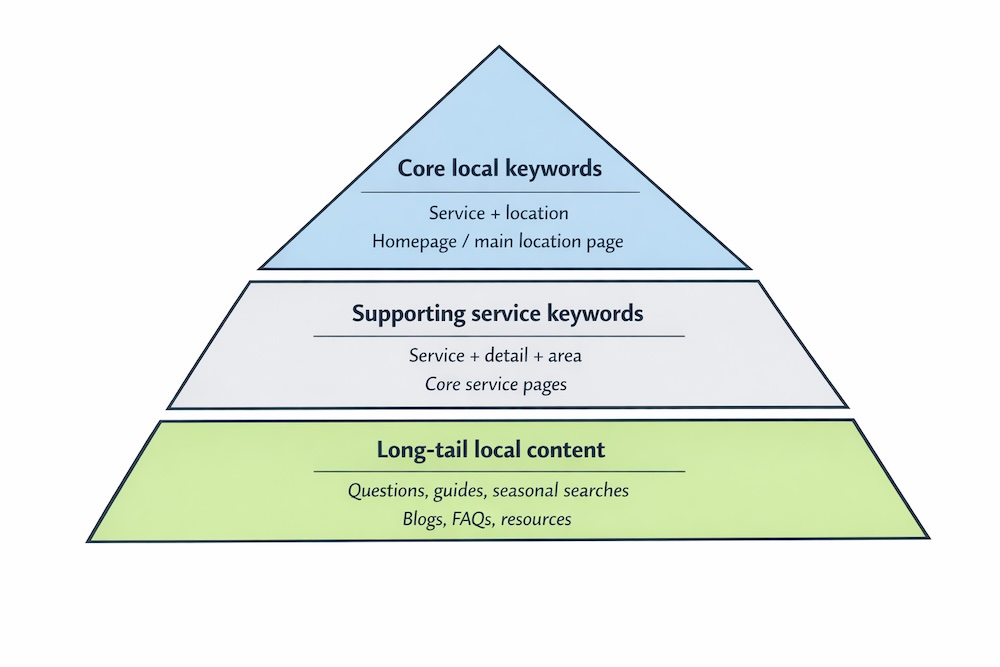
3. Create Local Landing Pages That Work
Local landing pages add relevance and support your GBP. Each page must feel useful and specific to the area it targets.
- Clear service explanation
- Local references
- Directions
- Parking guidance if needed
- Proof of expertise
- Local photos
- FAQs
- Strong call to action
4. Clean and Strengthen Your Local Citations
Citations confirm that your business is real and consistent. They help customers find you across platforms.
Core Citations to Focus On
- Google Business Profile
- Apple Business Connect
- Bing Places
- Yelp
- Yell
- Trustpilot
- Facebook Business Page
- LinkedIn Company Page
NAP must match across every listing.
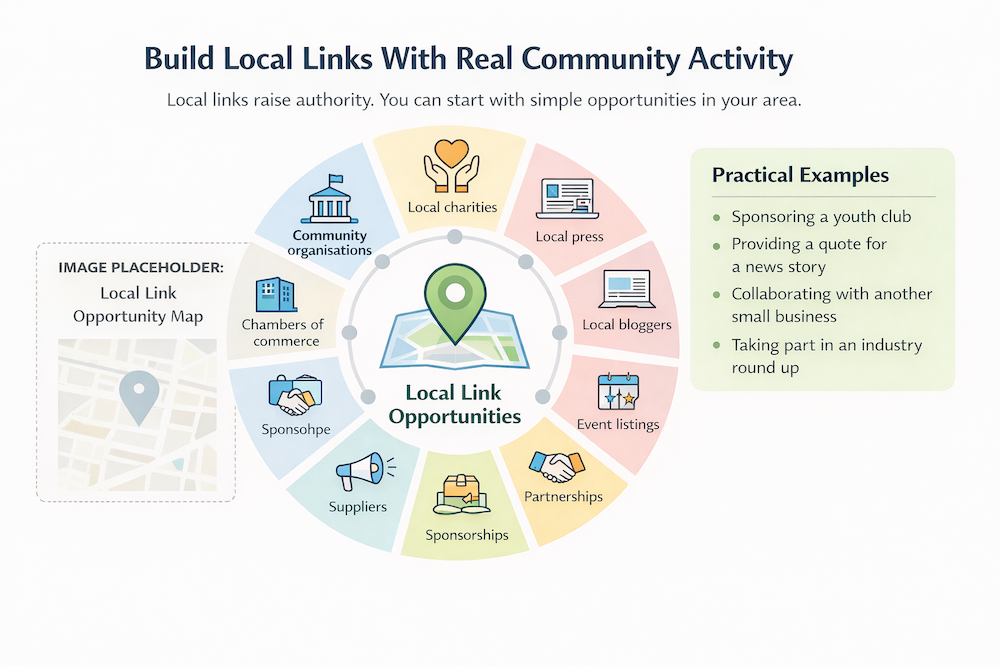
5. Build Local Links With Real Community Activity
Local links raise authority. You can start with simple opportunities in your area.
Local Link Opportunities
- Community organisations
- Local charities
- Local press
- Local bloggers
- Event listings
- Partnerships
- Suppliers
- Sponsorships
- Chambers of commerce
Practical Examples
- Sponsoring a youth club
- Providing a quote for a news story
- Collaborating with another small business
- Taking part in an industry round up
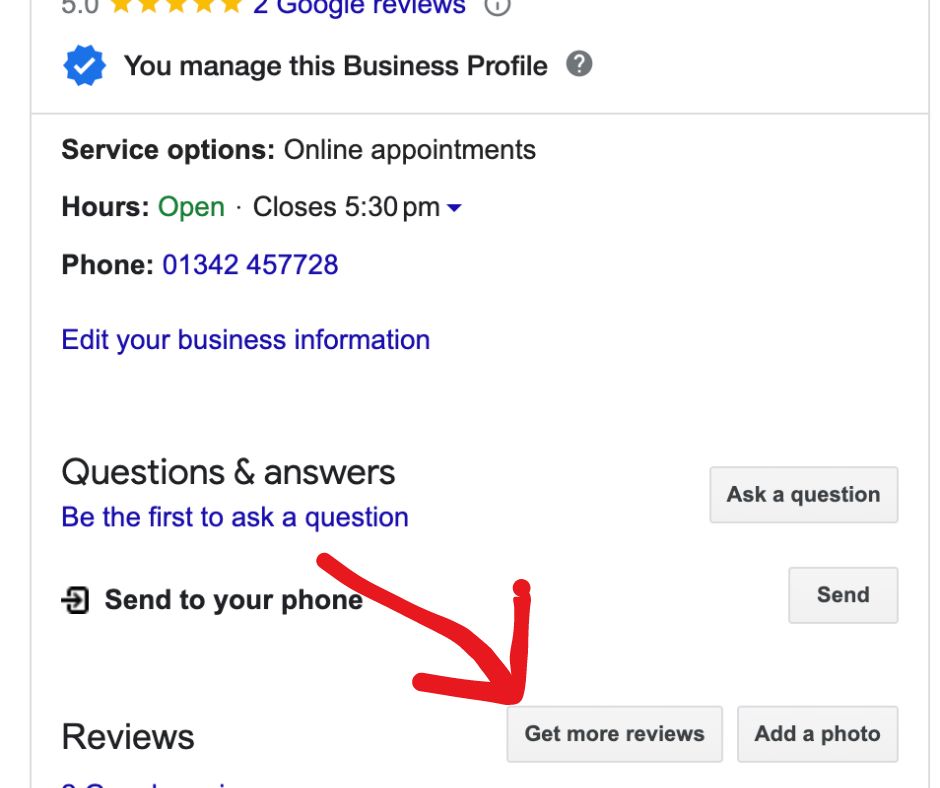
6. Collect Reviews With a Clear Workflow
How to Encourage More Reviews
- Ask within 24 hours of a completed job
- Use text message follow ups
- Add QR codes to printed materials
- Add a review link to your email signature
- Use a simple internal email template
What to Avoid
- No incentives
- Follow platform rules
7. Add Location Signals Across Your Website
- Accurate contact page
- Embedded Google map
- Driving directions
- Local references in content
- Local FAQs
- Opening hours
- Social links
- Structured data
Bonus Elements
- Case studies from local jobs
- Blog posts about local issues or guides
- Photos from real projects
8. Use Local Business Schema
- LocalBusiness
- FAQPage
- BreadcrumbList
- Product or Service
- Review snippets when relevant
Schema markup is a piece of code that you put on your pages to show search engines, at a glance, what the page is about. Hint: Use AI to help you with this.
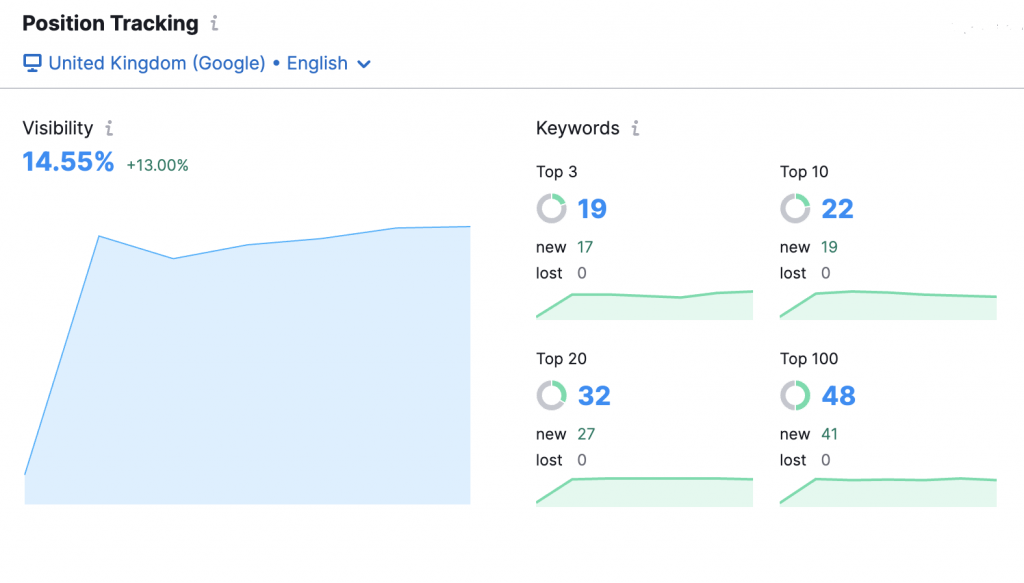
9. Measure Everything With the Right Tools
What to Measure
- Map pack positions
- Local organic rankings
- GBP insights
- Calls
- Direction requests
- Form submissions
- Keyword click through rates
- Reviews over time
- Link growth
- Landing page traffic
Tools to Use
- Search Console
- Google Analytics
- BrightLocal
- Ubersuggest
- Ahrefs or Semrush
- GBP Manager
10. Create a Monthly Local SEO Routine
Monthly Actions
- Add one GBP post
- Upload new photos
- Reply to reviews
- Check NAP consistency
- Publish new content
- Check rankings
- Check map pack movement
- Build one local link
- Update one landing page
- Run a small citation audit
Advanced Local SEO Techniques
- Service Area Expansion: Create content and internal links that support growth into nearby towns or regions.
- Local Content Hub Strategy: Local guides, local news, advice on choosing a provider, local regulations, seasonal guidance.
- User Generated Content: Encourage customers to upload photos to your GBP listing.
- Local PR: Small news stories often generate strong local links.
- Competitor Review Mining: Study competitor reviews. Identify recurring frustrations and create content that solves those issues.
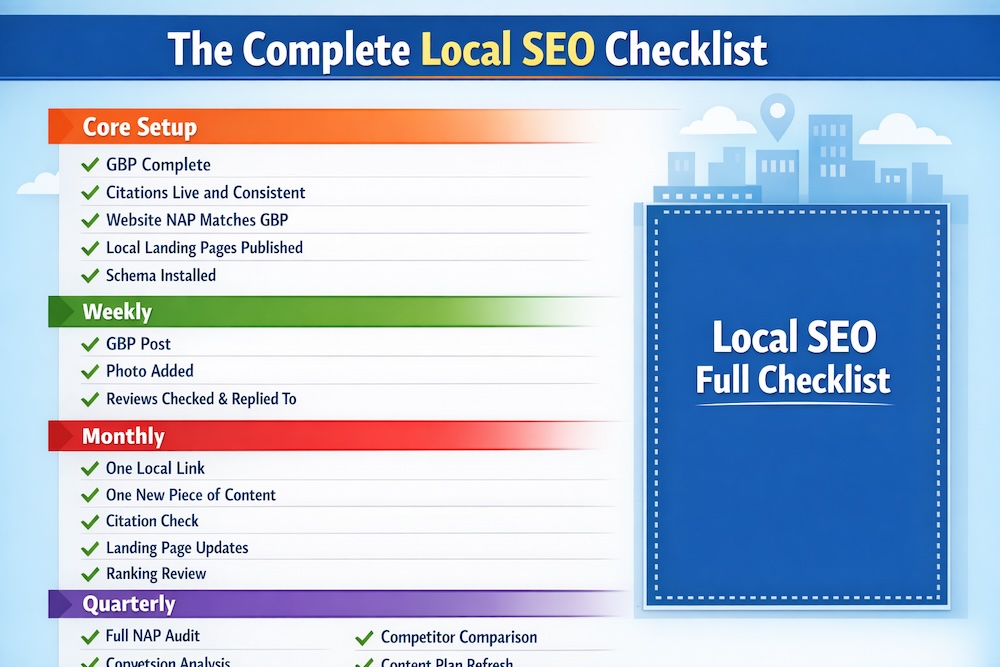
The Complete Local SEO Checklist
Core Setup
- GBP complete
- Citations live and consistent
- Website NAP matches GBP
- Local landing pages published
- Schema installed
Weekly
- GBP post
- Photo added
- Reviews checked and replied to
Monthly
- One local link
- One new piece of content
- Citation check
- Landing page updates
- Ranking review
Quarterly
- Full NAP audit
- Competitor comparison
- Conversion analysis
- Content plan refresh
Final Thoughts
Local SEO gives small businesses and independent brands strong visibility at the moment people are ready to buy. Accuracy, consistency, and a clear approach outweigh a large budget every time.
Got questions about your local SEO? Give us a call.